
Check the Dashboard
Why action and maintenance may help to protect your mental health

As humans we have a great ability to push through, to keep calm and carry on. We are resilient, adaptive, and capable of enduring hard things.
But are we good at checking in? At maintaining ourselves?
I think I can safely assume you’ve all sat in a car and noticed the dashboard. Even if you don’t drive or own a car yourself, you’ll know what one looks like.
And for those who do drive, chances are you maintain your vehicle.
You make sure the tyre pressure is right and there’s enough water for the windscreen.
You ensure it has oil and the correct fuel.
You book services and have problems checked before they become bigger and more expensive.

What would happen if you ignored your car completely? If you kept putting the wrong fuel in or carried on driving with warning lights flashing on the dashboard?
What about us?
Now think about that concept as a human being. I’ve noticed that many of us are not as good at maintaining ourselves as we are our cars.
We often expect to be able to function brilliantly while running on stress, pressure, overstimulation, lack of rest, comparison, or people-pleasing. Full disclosure, I’ve been there, especially when you can see a light at the end of the tunnel - you just keep going until you get there!
And then we feel frustrated with ourselves when we feel exhausted, emotional, disconnected, flat, or overwhelmed. Maybe even a feeling of failure.
Yet, it’s not failure, you may simply need refuelling. Perhaps better fuel, more balance, and a little maintenance. Maybe even a tiny bit more air in the metaphorical tyres.
And sometimes that takes time. It is not always one quick fix. Sometimes you need to recharge, reset, slow down, or perhaps even take action.
Take Action
And action is the key theme this week here in the UK as today marks the beginning of Mental Health Awareness Week (11th–17th May).
What I really love about this year’s theme is that it goes beyond awareness alone. Organisations like Mind and Mental Health Foundation are encouraging action too.
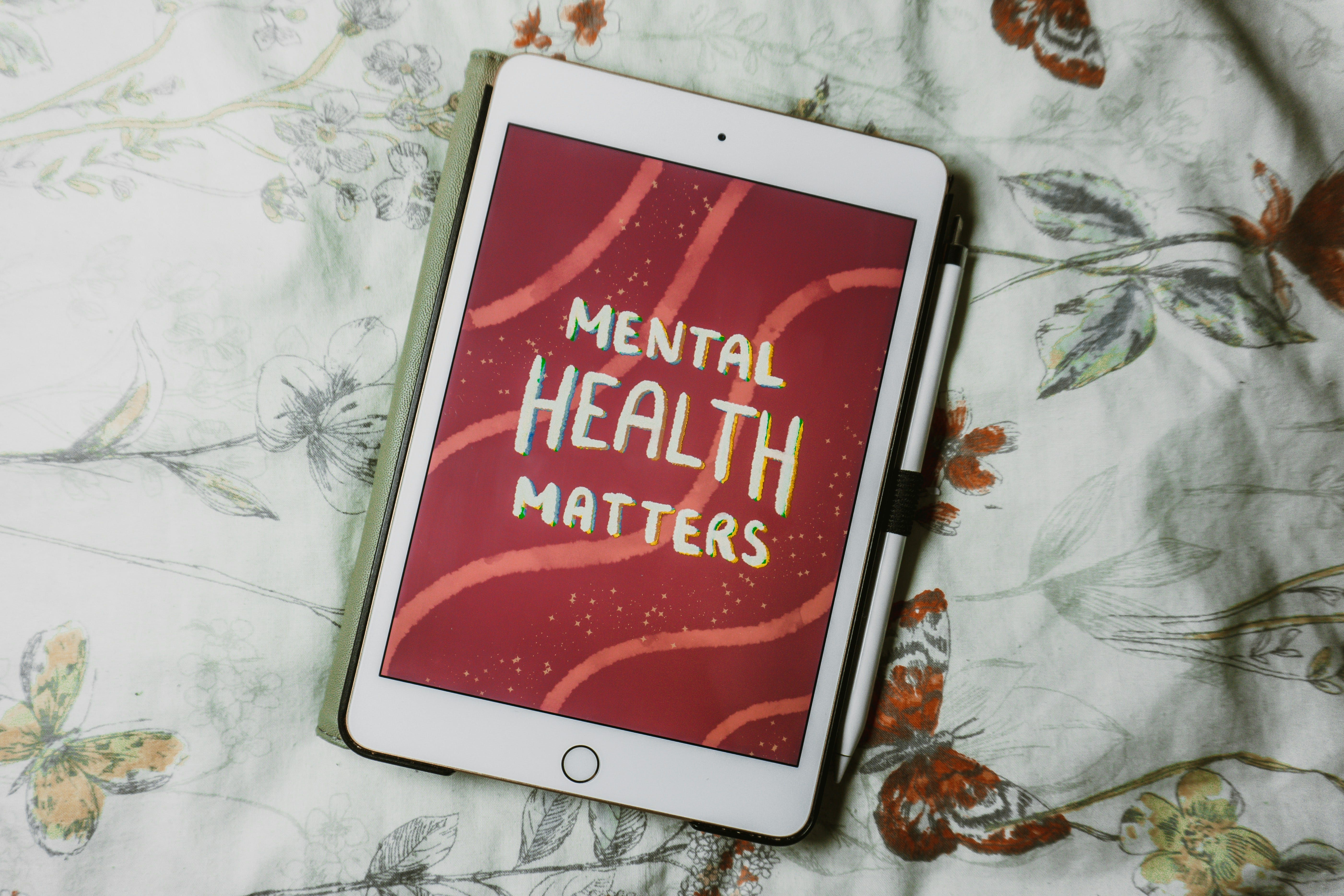
And your action does not have to be huge. It might simply be pausing long enough to check in and notice what needs a little TLC and maintenance.
Maybe from there you decide to take your lunch break for once and go for a walk, giving your eyes a break from screens while getting some fresh air and hopefully a little vitamin D.
Or perhaps you stop glorifying “pushing through” when your body and mind have clearly been asking for rest.
Because sometimes taking action looks less like reinventing your life and more like finally acknowledging the warning lights.
Candles and bubble baths are lovely (and trust me, I LOVE a good soak with Epsom salts), but real maintenance often happens in the smaller, less Instagrammable moments.
It may be the boring but important things. The small, consistent habits that nobody claps for online and maybe even, the ones that no one else but you see.
Maybe it’s drinking more water to function better when hydrated.
Moving your body to release stress and support your health.
Getting to bed a little earlier.
Booking the doctor’s appointment you’ve been putting off.
Asking for help.
Setting boundaries.
Taking five mindful minutes before carrying on with your day.
The kind of things that may not make an aesthetic self-care reel on social media but genuinely help to keep you well and boost your mental wealth.
And perhaps that’s where mindfulness comes in too.
Mindfulness is not just sitting cross-legged feeling zen. Sometimes it is honestly noticing that you have been running on empty for weeks.
It is tuning inwards and recognising what you need before you head towards burnout.
Don’t get me wrong, I love self-care. But sometimes the wellness world can convince us that self-care has to be expensive, glamorous, time-consuming, or perfectly curated to count.
As though it only “qualifies” if you disappear off to a spa for the weekend with cucumber on your eyes and a cup of herbal tea in hand.
When actually, some of the most meaningful forms of self-care are the smaller daily acts of maintenance that help keep your mind and body functioning well.
As Mind says, “Great mental health care is human,” and we are all human beings, not human doings.
We are not machines designed for constant productivity. We are people who need maintenance, rest, support, connection, movement, and care.
Just like you would charge your phone when the battery is low, what do you need when you are running on empty?
There is nothing weak or indulgent about maintenance.
Perhaps good mental health care begins when we stop expecting ourselves to function like machines and start treating ourselves like humans.
So today, I’d like to ask you:
What small actions could help maintain your mind, body, and spirit?
How do you know when your tank is running low?
What warning lights tend to appear for you first?
And how might constantly pushing through make things worse?
If you’d like to explore this idea further, why not check out last week’s COA Stretch & Reflect class where we explored this analogy in more detail alongside some reflections on our needs. The session recording is now available to watch on the Video Hub and the handout can be found over on our community hub, Patreon.
The mental health awareness space has improved massively since I was signed off with burnout, stress, and anxiety almost ten years ago. People are beginning to understand more, which is wonderful to see.
But awareness alone does not automatically create change.
Perhaps this Mental Health Awareness Week is not about becoming a brand-new person.
Maybe it is simply a reminder to pause long enough to check the dashboard.
To notice the warning lights.
To top up the fuel.
And to stop normalising running on empty.
Because great mental health care is human. And humans need maintenance too.
Love, Jules xx
Photo sources: Unsplash